How simple is trading and what basic strategies can traders use to succeed
Trading is often perceived as a complicated activity requiring extensive financial knowledge, but in reality, trading can be surprisingly simple when broken down into basic, practical steps. The core of effective trading lies in using straightforward strategies such as trendlines, managing risk properly, and following a clear set of rules for entries and exits. For those interested in exploring a proven method, the Tori Trades waitlist offers access to educational resources and trading insights.
Why Trading Is Simpler Than You Think
Trading, especially in futures markets, does not demand an economics degree or advanced mathematics. Instead, it requires understanding market price action and using simple technical tools to identify potential trade opportunities. Trendlines, for example, are a basic yet powerful strategy that helps traders determine the market trend direction and potential reversal points. This visual and straightforward approach allows traders to make informed decisions without relying on complex indicators or algorithms.
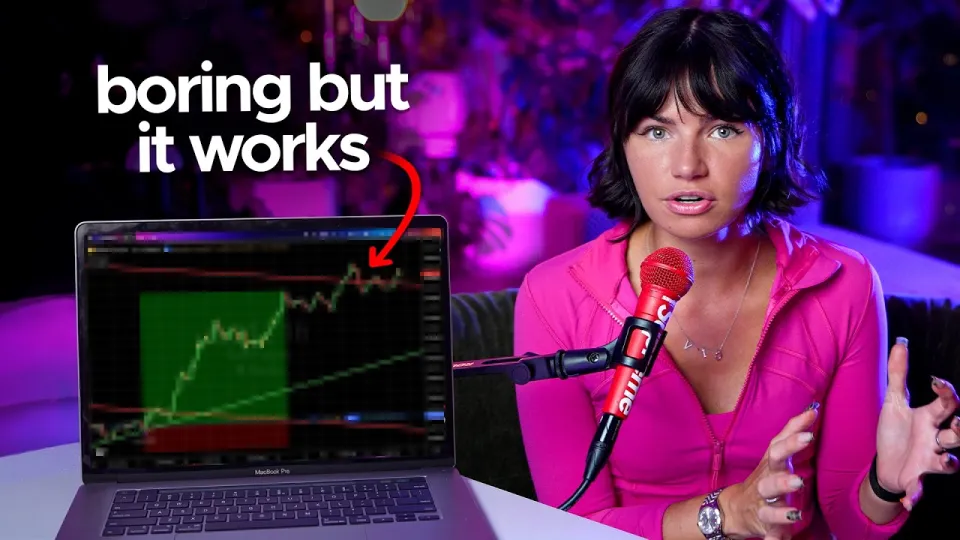
Video: Unfortunately, trading really is this simple
Building a Trading System with Trendlines
The backbone of many successful trading strategies is the use of trendlines. These are drawn by connecting significant highs or lows on a chart to identify support and resistance levels. Here is how to build a simple trendline-based system:
- Identify the prevailing trend by observing higher highs and higher lows (uptrend) or lower highs and lower lows (downtrend).
- Draw trendlines connecting these points to visualize the trend.
- Use the trendline as an entry point when the price bounces off it, confirming the trend's continuation.
- Place stop-loss orders just beyond the trendline to protect against unexpected reversals.
- Plan exits based on price targets or when the trendline is broken decisively.
This approach can be applied to various markets, including futures, forex, and commodities.
Managing Risk with Stop-Losses and Trade Tracking
Effective risk management is essential in trading. Placing stop-loss orders slightly beyond the trendline bounce points helps limit potential losses if the market moves against the position. Traders should decide how far below or above the trendline stops should be, based on market volatility and individual risk tolerance.
Additionally, tracking trades systematically using tools like TradeZella can help traders analyze performance and refine strategies over time. This disciplined approach reduces emotional decision-making and enhances consistency.
Understanding Market Volatility and Quick Reaction
Markets like gold futures can be extremely volatile, sometimes moving from slow pace to rapid price changes within seconds. Such volatility requires traders to monitor positions actively and be ready to exit quickly to preserve profits or minimize losses. Automated alerts or fast execution platforms are beneficial in managing these rapid moves.
Common Questions and Misconceptions About Trading
Many new traders wonder where exactly to place stops or how to handle trendline breaks. It's important to recognize that while trendlines guide entries and exits, flexibility is required to adapt to live market conditions. For example, if a candle closes green and moves up after a stop, it may signal a new entry opportunity.
Some believe that stock trading differs significantly from futures or commodities trading, particularly due to algorithmic behaviors that can impact stock price movements. Understanding these market-specific dynamics is crucial for applying any strategy correctly.
Useful Links
- Join the waitlist for trading education and bonuses: https://go.toritradez.com/waitlist-1009
- Track your trades effectively with TradeZella: https://www.tradezella.com/?via=victoria (use code TORI20 for discount)
- Broker recommended by Tori Trades: https://www.tradestation.com/promo/toritrades/
- Follow Tori Trades on Instagram: https://www.instagram.com/tori.trades.futures/
Conclusion
Trading really can be simple when you focus on fundamental strategies like trendline analysis, disciplined risk management, and clear entry and exit rules. While market volatility and live conditions require vigilance and adaptability, these basics form a solid foundation for success. The channel Tori Trades provides valuable step-by-step guidance and practical examples that demystify the trading process for both beginners and experienced traders. To deepen your understanding and start applying these principles, consider joining the Tori Trades waitlist for exclusive access to educational content and trading tools.
Key takeaways
- Trading does not require advanced degrees or complex math skills
- Trendlines are a fundamental tool in futures and swing trading
- Risk management through stop-loss placement is critical
- Following clear entry and exit rules improves trading consistency
- Trading volatility, especially in commodities like gold, demands quick decision-making
Source: Unfortunately, trading really is this simple · Markdown version
Questions & answers
Do I need an economics degree or advanced math skills to trade successfully?
No, successful trading does not require an economics degree or advanced math skills. It relies more on understanding market behavior, using simple tools like trendlines, and following clear trading rules.
Where should I place stop-loss orders when trading with trendlines?
Stop-loss orders are typically placed just beyond the trendline bounce points to protect against market reversals. The exact distance depends on market volatility and your personal risk tolerance.
How do I handle sudden volatility in markets like gold futures?
Markets such as gold can move very rapidly, so active monitoring and quick decision-making are essential. Using fast execution platforms and setting alerts can help manage these volatile moves effectively.
Is trading futures different from trading stocks in terms of market behavior?
Yes, futures and commodities markets often behave differently from stock markets. For example, algorithmic trading can impact stocks more heavily, requiring different strategies and risk management approaches.